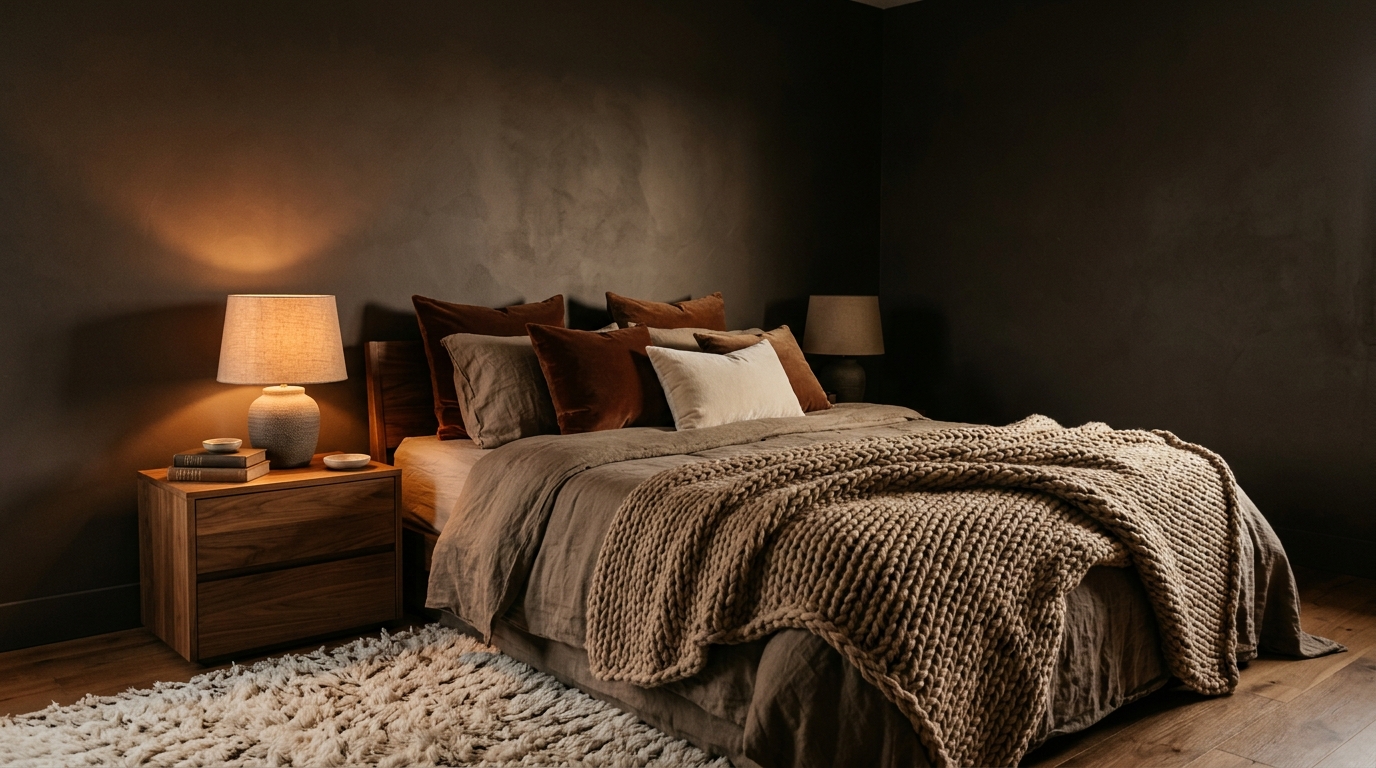
Some bedrooms feel warm the moment you step inside, and it has little to do with the thermostat. The wall color is quietly doing the work. It softens harsh light, wraps the space in a gentle glow, and turns a flat, echoing room into somewhere you actually want to slow down. Swapping builder-white for a richly pigmented shade is one of the fastest and most affordable ways to change a bedroom’s entire mood. Whether you lean toward earthy clay tones, muted greens, or enveloping browns, the fourteen cozy bedroom paint colors below show how undertone, light, and texture work together to create a true retreat.
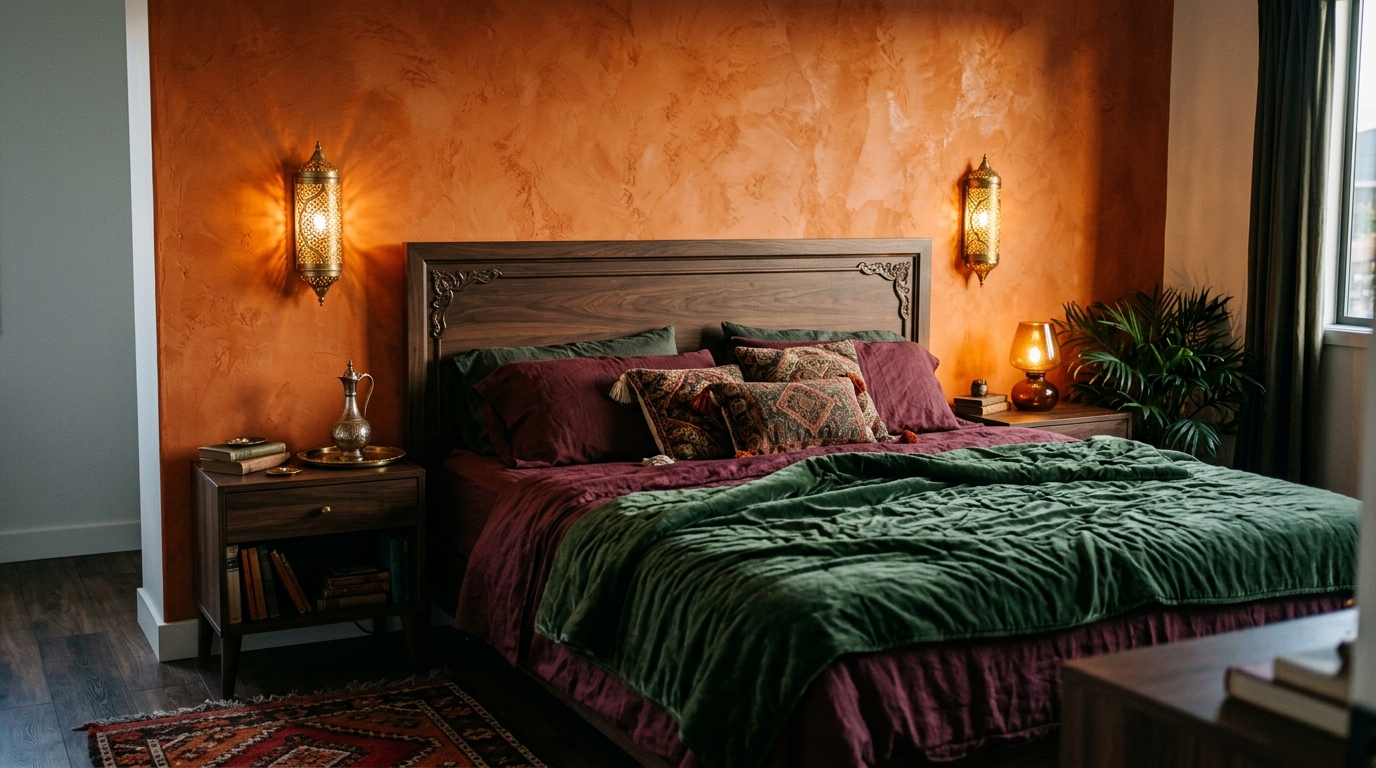
Warm Terracotta
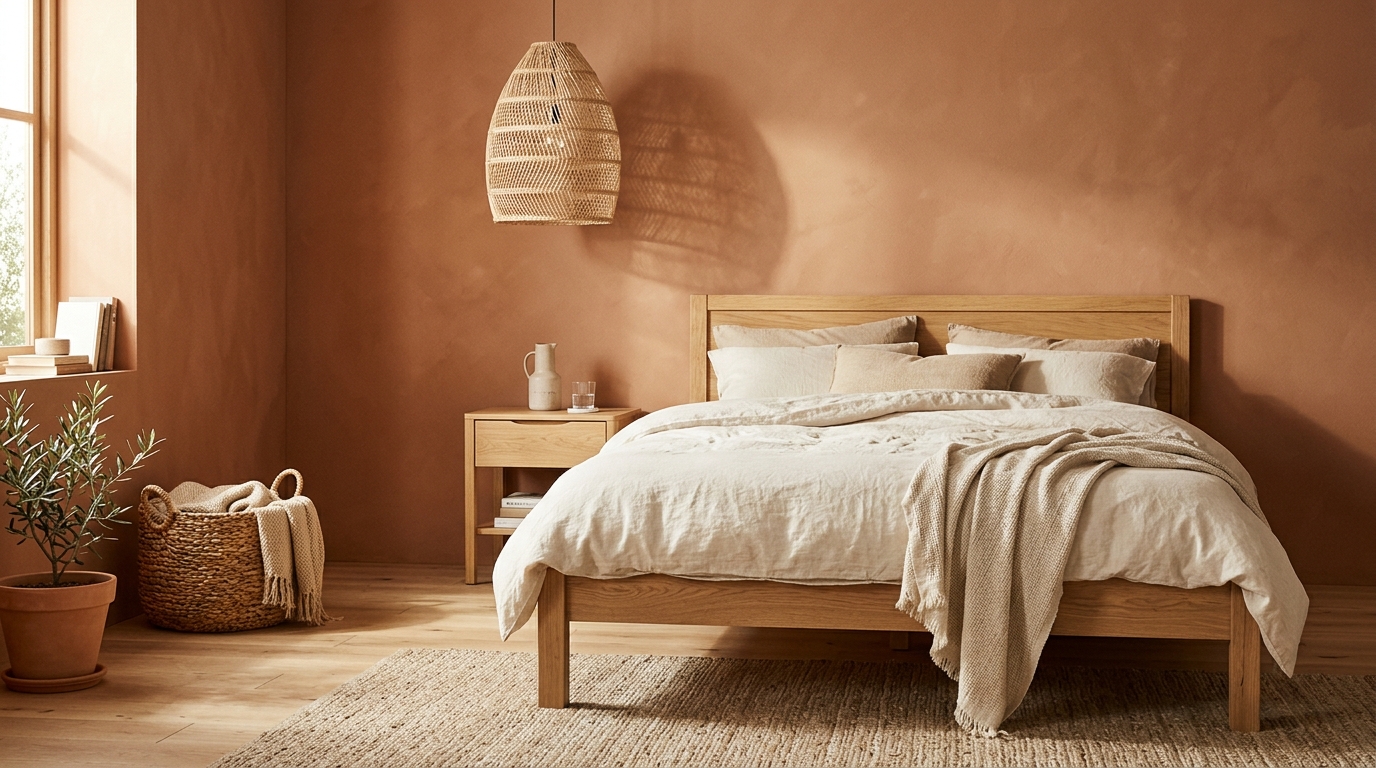
Terracotta has made a big comeback, and its clay-baked richness explains why. The shade delivers instant warmth without becoming too dark, and it glows beautifully in daylight. Natural wood, rattan, and cream linen bedding all sit comfortably against it, creating a sun-baked mood reminiscent of Mediterranean villas. Finish the trim and ceiling in a soft warm white so the walls feel intentional rather than overwhelming. Because terracotta feels earthy and timeless rather than trendy, it tends to age gracefully and stay relevant long after quick-turn palettes have faded.
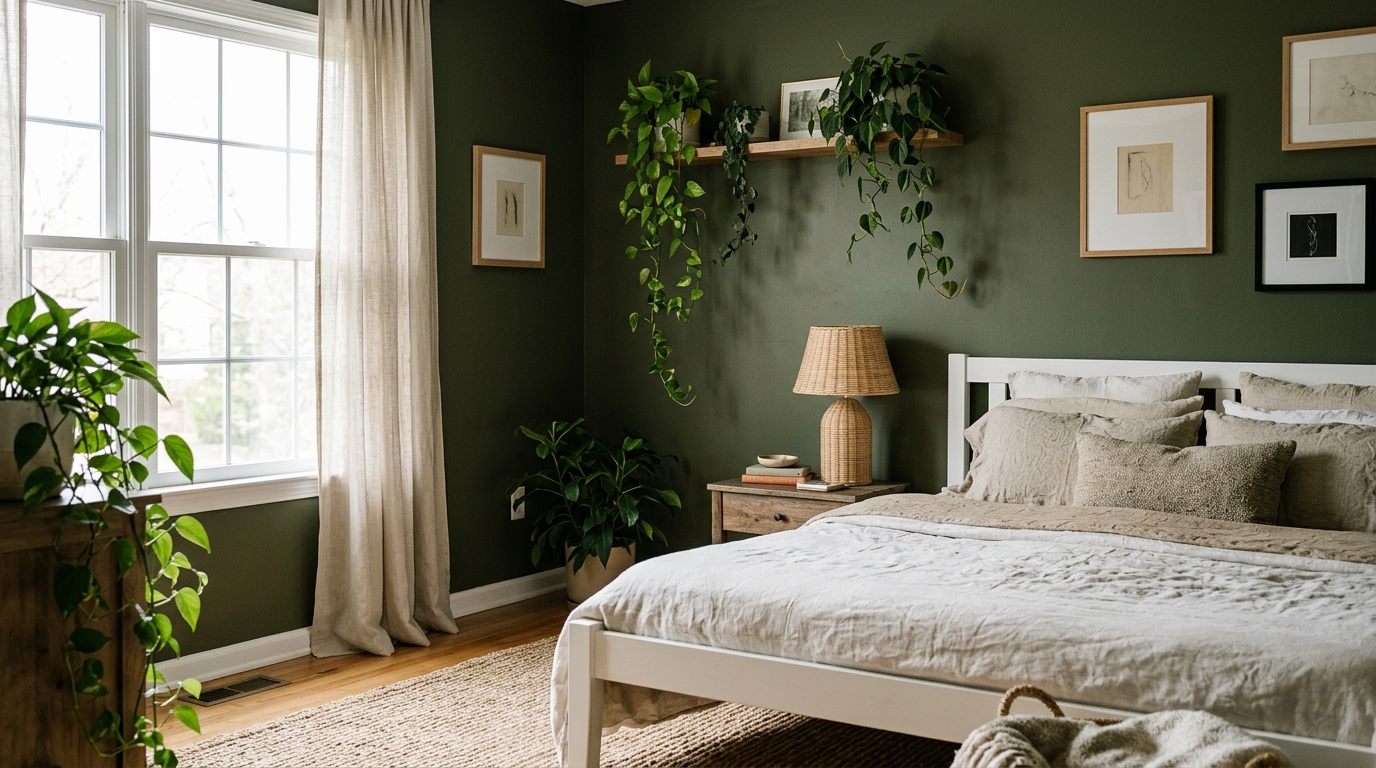
Dusty Sage Green
Sage green manages something rare: it feels calm and cozy at once. The dusty, muted versions suit bedrooms best because they soothe without turning cold, since a hint of warm gray-yellow in the undertone keeps the room snug rather than clinical. Pair sage with blush pink pillows, warm beige throws, or natural linen curtains for a gentle, layered look. Guest rooms benefit especially, because the color reads as restful to nearly everyone who walks in. It is a quiet shade, yet it leaves a lasting impression.
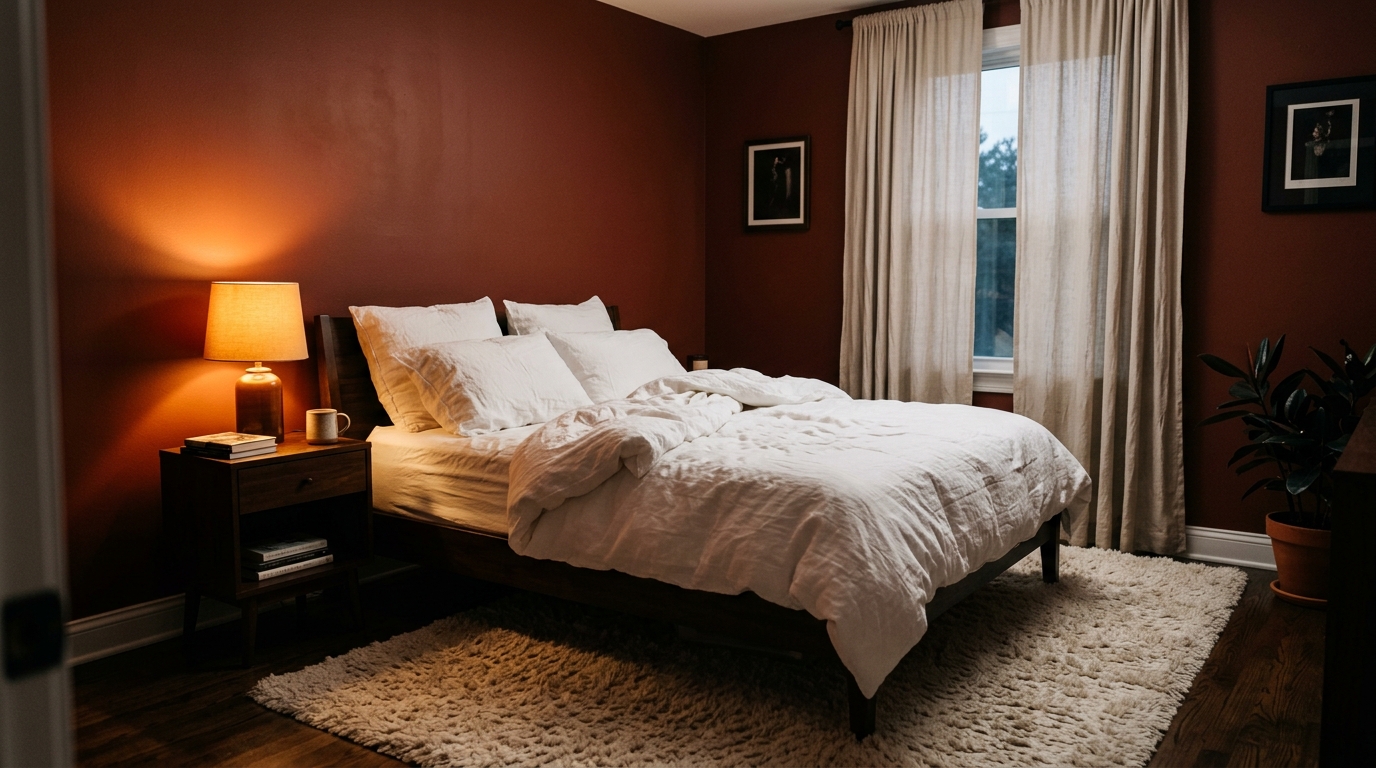
Deep Mocha Brown
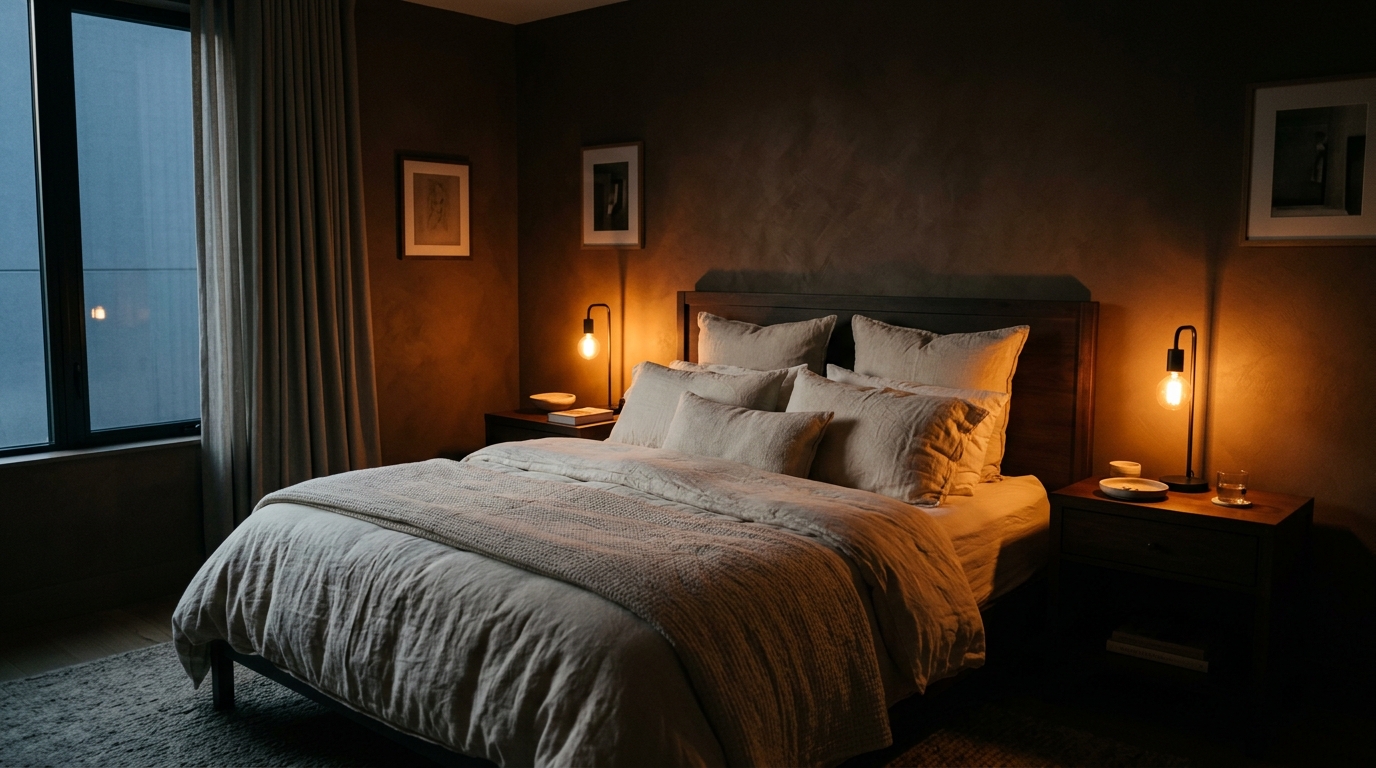
For a bedroom with boutique-hotel drama, deep mocha brown delivers. It wraps the room in a cocoon-like glow that makes evenings feel indulgent. The secret is balance: pair the dark walls with light bedding in cream, ivory, or warm white, or the space can feel heavy. Mocha also flatters lighting, making amber bulbs and brass lamps look luxurious after sunset. Painting a dark brown room is a commitment, but when the textures and lighting are layered thoughtfully, the payoff is a bedroom that feels rich, calm, and endlessly inviting.
Soft Butter Yellow
Butter yellow is sunshine translated into paint. It feels cheerful without shouting, and in bedrooms with limited natural light it produces a gentle, glowing atmosphere. Used well, it recalls French country farmhouses, especially beside white trim, pale wood floors, and touches of soft blue or sage. If yellow has always seemed too bright, choose the most muted, creamy version available. A pale butter tone reads almost like a warm neutral, and it makes early mornings feel noticeably friendlier.

Warm Greige
Greige blends gray and beige into the ideal neutral for people who want comfort without boredom. The warm version leans toward beige, giving it the soft, welcoming quality that flat gray often lacks. It flatters nearly every wood tone, furniture style, and accent color, so the room looks pulled together with very little effort. For renters or anyone unsure about a bold commitment, warm greige is a remarkably low-risk choice. It is safe in the best possible way.
Rust Orange
Rust is terracotta’s bolder, redder sibling, with a deep, vintage warmth that evokes Moroccan riads and Italian apartments. That richness brings a layered, well-traveled feel to an ordinary bedroom. It pairs brilliantly with dark wood, aged brass, and deep textiles such as burgundy or forest green. If you only want one statement wall, rust is an excellent candidate, since the contrast behind a headboard is dramatic in all the right ways. It also photographs beautifully, which matters if you share your space online.

Muted Blush Pink
Muted blush deserves more credit than it gets. This is no baby pink; it sits closer to dusty rose, with just enough gray to feel grown-up and refined. It flatters skin tones, which matters more in a bedroom than most people admit, and it partners well with warm wood, gold hardware, deep navy, and hunter green. Designers have used it in high-end projects for years because it creates an intimate, quietly luxurious mood. Give it a swatch test before ruling it out.
Mushroom Taupe
Mushroom taupe floats between brown, gray, and beige, and that in-between character is its charm. It carries a quiet, organic warmth, like a color borrowed from a forest floor, and it makes a bedroom feel deeply restful. It never competes for attention; it simply makes everything around it look better. Layer it with linen, wool throws, and other natural fibers for a retreat you won’t want to leave. It also shifts through the day, appearing cool and calm in the morning and glowing warmly at night.
Olive Green
Olive green is having a genuine moment, and bedrooms show it off best. Earthy and grounded, it makes a space feel curated and confident. Darker, muted olives work especially well, delivering richness and depth without sliding into gloom. Natural materials like rattan, jute, linen, and raw wood complement it naturally, and a simple white bed frame with a few potted plants can be all the styling you need. When the wall color carries this much personality, restraint elsewhere pays off.
Cinnamon Spice
Cinnamon feels warm before you even touch the wall. This spiced reddish-brown adds remarkable depth, and it works best when balanced by lighter elements such as white bedding, cream rugs, and pale curtains so the room never feels boxed in. Guests tend to react with an audible “wow.” It is cozy in a bold, deliberate way, and its warm undertones make it especially helpful in north-facing bedrooms, where they counteract gray, cooler daylight.
Dusty Peach
Dusty peach is the gentle, sunlit cousin of blush and terracotta. It carries a soft apricot warmth that makes morning light feel golden and evening light feel like a hug. Because it is muted rather than bright, it behaves like a cozy neutral, pairing nicely with cream bedding, light oak furniture, and sage or olive accents. It suits smaller rooms especially well, adding glow and softness without closing the walls in. If you want warmth with a delicate touch, peach is an underrated winner.
Warm Cream
If you love white walls but find them stark, warm cream is the answer. A subtle yellow or pink undertone makes the room feel soft and welcoming instead of clinical. It brightens a bedroom without harshness and offers a flexible backdrop for any furniture style or bedding palette. Few choices are as timeless; it won’t look dated, it keeps the room feeling open and clean, and it still delivers that essential warmth. Warm cream is the quietly confident option.
Caramel Brown
Caramel brown is comforting, golden, and rich. It resembles mocha but lighter and sunnier, so it feels cozy without feeling heavy. Think of a perfect cup of milky coffee. It pairs wonderfully with mid-tone wood furniture, since the warm tones echo each other, and copper or bronze hardware plus mustard or burnt-orange throws make it feel quietly luxurious. It is the kind of shade that invites you to light a candle, pour something warm, and linger in bed on a slow Sunday.
Charcoal with Warm Undertones
Dark bedrooms look stunning when done right. Charcoal with brown or red in the gray, rather than blue, feels cozy and sophisticated, a bold choice made thoughtfully. Success depends on layering warm textures: chunky knits, plush rugs, velvet cushions, and warm-toned wood. Lighting matters even more here, and soft warm bulbs are essential against a dark wall. When everything comes together, a charcoal bedroom becomes the coziest room in the house, dramatic and restful at the same time.

Final Thoughts
Choosing a bedroom paint color is among the most impactful changes you can make, and it costs far less than new furniture or a full redesign. Every shade on this list shares one trait: it makes a room feel warm, personal, and lived-in, which is exactly what a bedroom should do.
How to Test Before You Commit
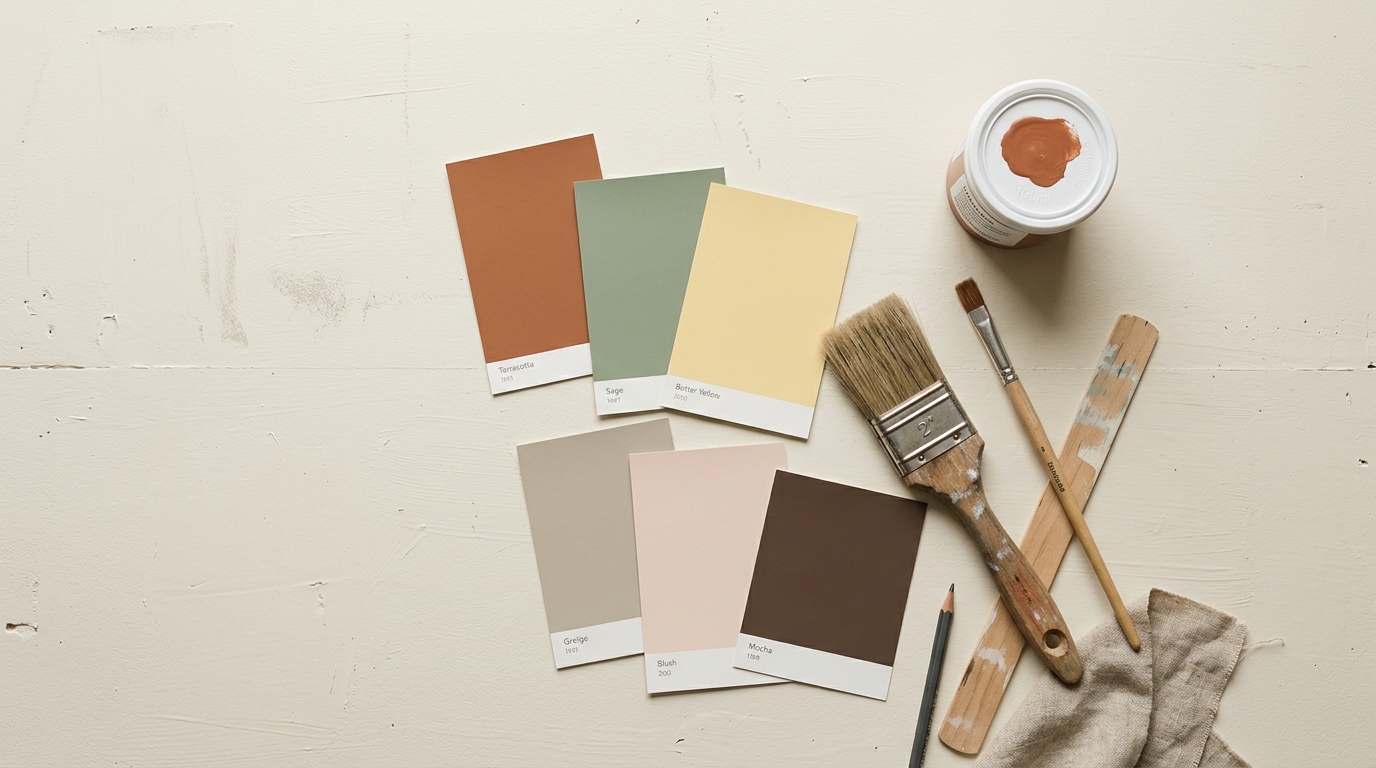
Don’t overthink it. Pick up a few sample pots, paint large swatches on different walls, and watch them through the day and under your actual lamps. The right color tends to feel obvious within a day or two. Your bedroom should be your favorite room in the house, and the right paint is a big step in that direction.