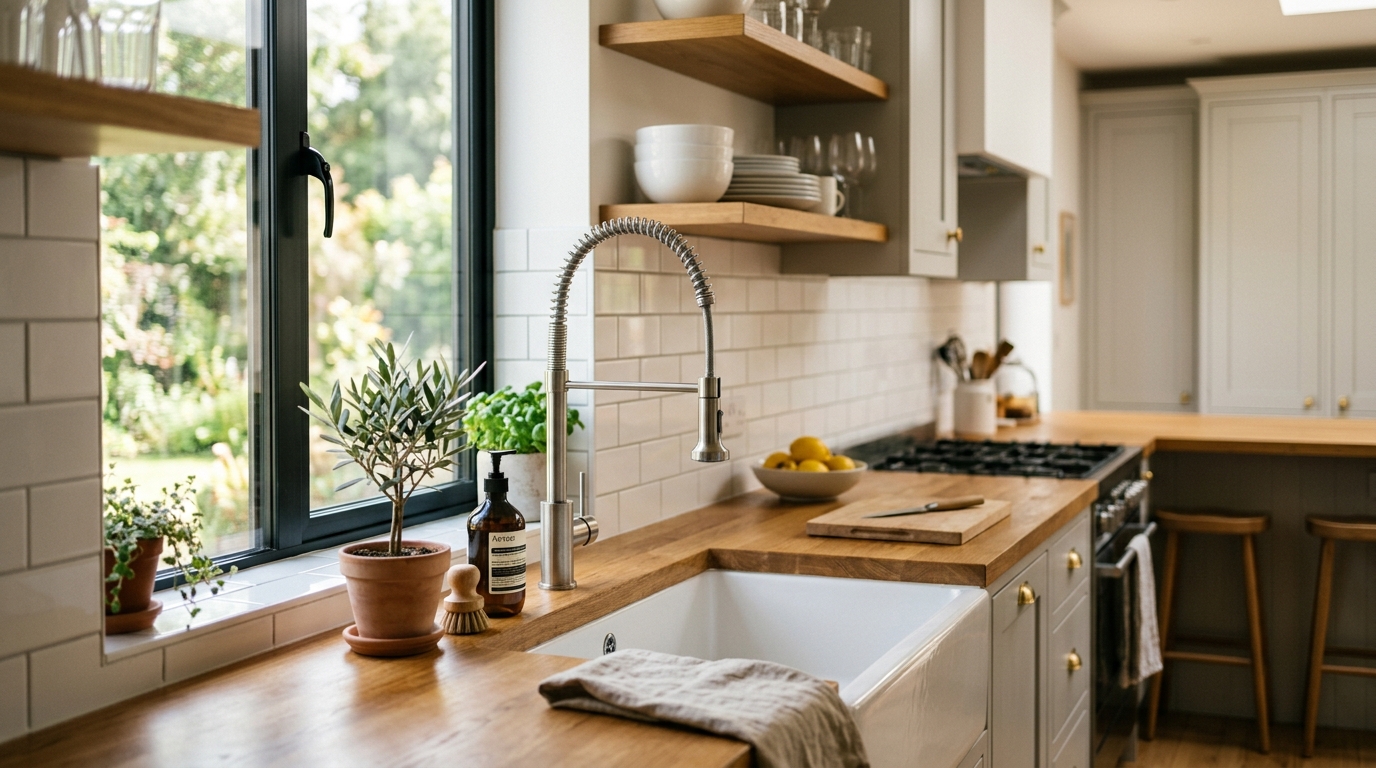
The kitchen faucet gets used more than almost anything else in the room — filling pots, rinsing produce, washing dishes, refilling the coffee maker. Yet it’s often picked last, as an afterthought once the countertops and cabinets are already chosen. Getting it right changes how the whole kitchen feels to use every single day.
Start Wih How You Actually Use Your Kitchen
Before comparing finishes or price tags, think about your daily routine. Do you cook a lot and need to fill large stockpots? Do multiple people share the sink at once? Is your water pressure strong or weak? Your existing plumbing configuration — single-hole, three-hole, or wall-mounted — will also narrow your options considerably, so it’s worth checking before you fall in love with a style that won’t fit.
The Main Types of Kitchen Faucets
Faucets aren’t one-size-fits-all. Each style solves a different problem.
- Single-Handle Faucets — One lever controls both flow and temperature, making them simple and fast to operate one-handed.
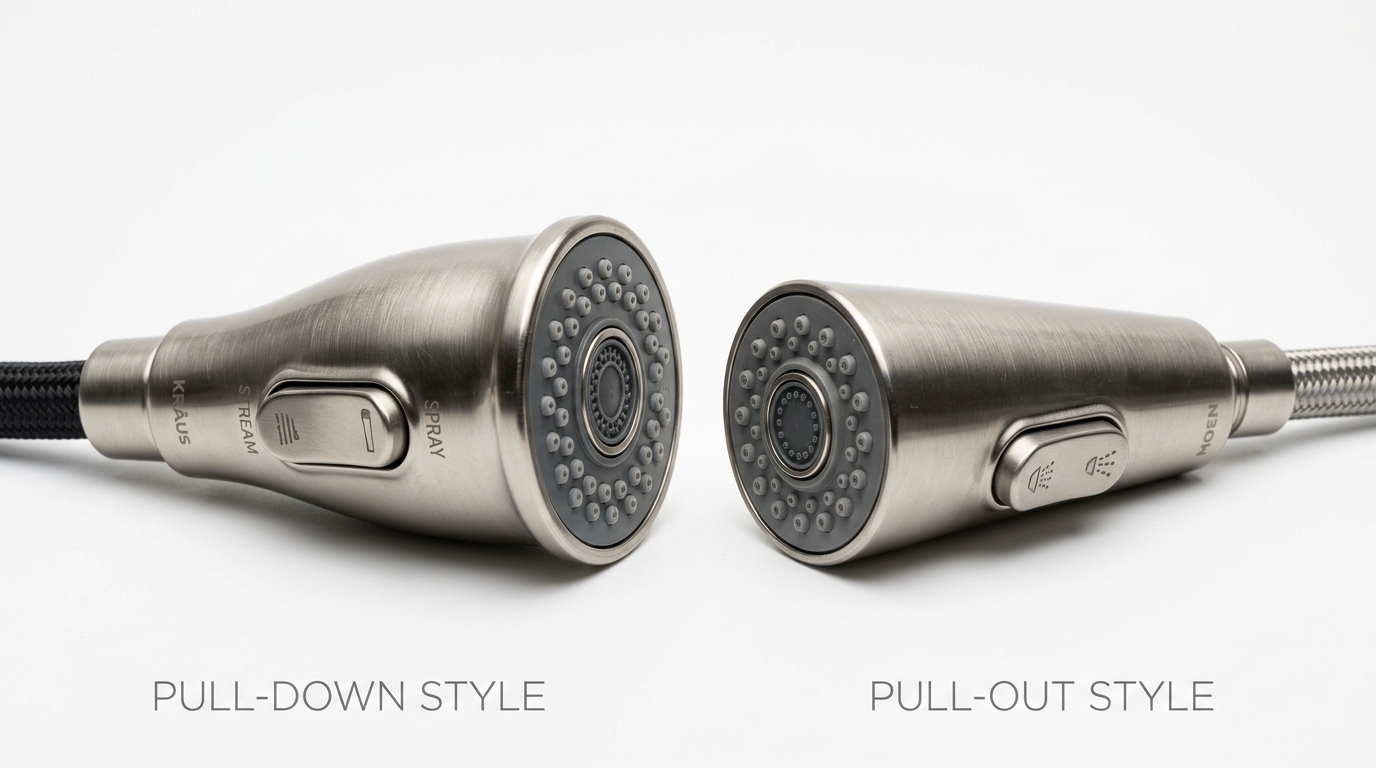
- Pull-Out Faucets — The spray head detaches horizontally, giving you reach across a wide sink without repositioning your whole arm.
- Pull-Down Faucets — The head releases downward instead, which works especially well over deep basins and tall pots.
- Commercial-Style Faucets — Tall, high-arc spouts with a restaurant-kitchen look, built for heavy daily use.
- Touchless Faucets — Motion sensors turn the water on and off, useful when your hands are covered in raw meat, dough, or dish soap
Choosinga Material That Lasts
The base material drives both looks and longevity. Solid brass construction resists corrosion and holds up to years of daily use, even if the finish on top is something else entirely. Stainless steel resists fingerprints and water spots better than most finishes, which matters in a busy kitchen. Chrome is budget-friendly and easy to clean but shows scratches more readily over time. Weigh the finish against how much upkeep you’re actually willing to do.
Matching Style to Your Kitchen’s Personality
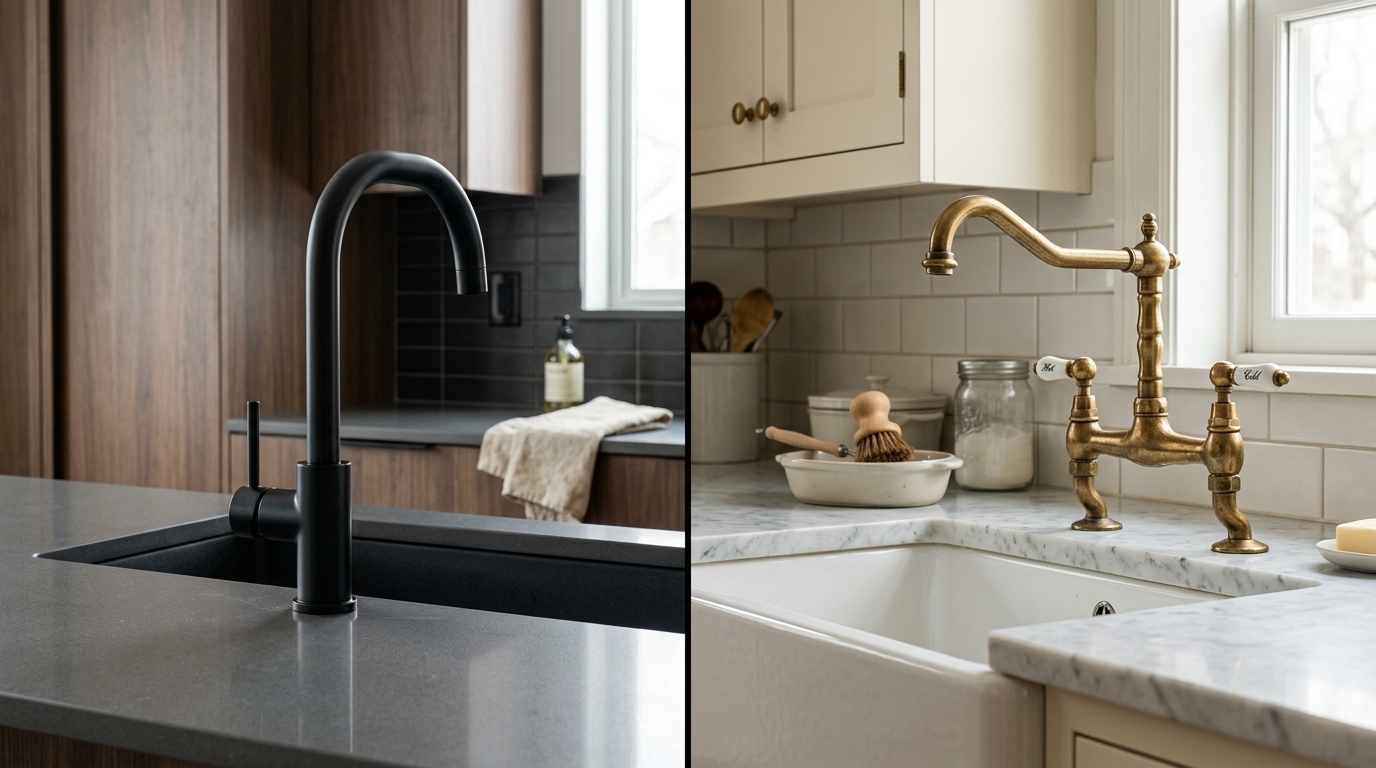
A faucet is a small object with an outsized visual impact — it sits right at eye level over the sink. A sleek, low-profile design suits contemporary kitchens, while a faucet with visible curves and cross handles reads more traditional. If your kitchen leans minimalist, look for clean lines and a single finish; if it’s more eclectic, a faucet can be a deliberate style statement rather than something that blends in.
Picking a Finish That Complements Your Cabinets
- Match the undertone of your cabinets. White or light-gray cabinets pair naturally with chrome or stainless steel. Warmer wood tones lean well toward brushed nickel or bronze.
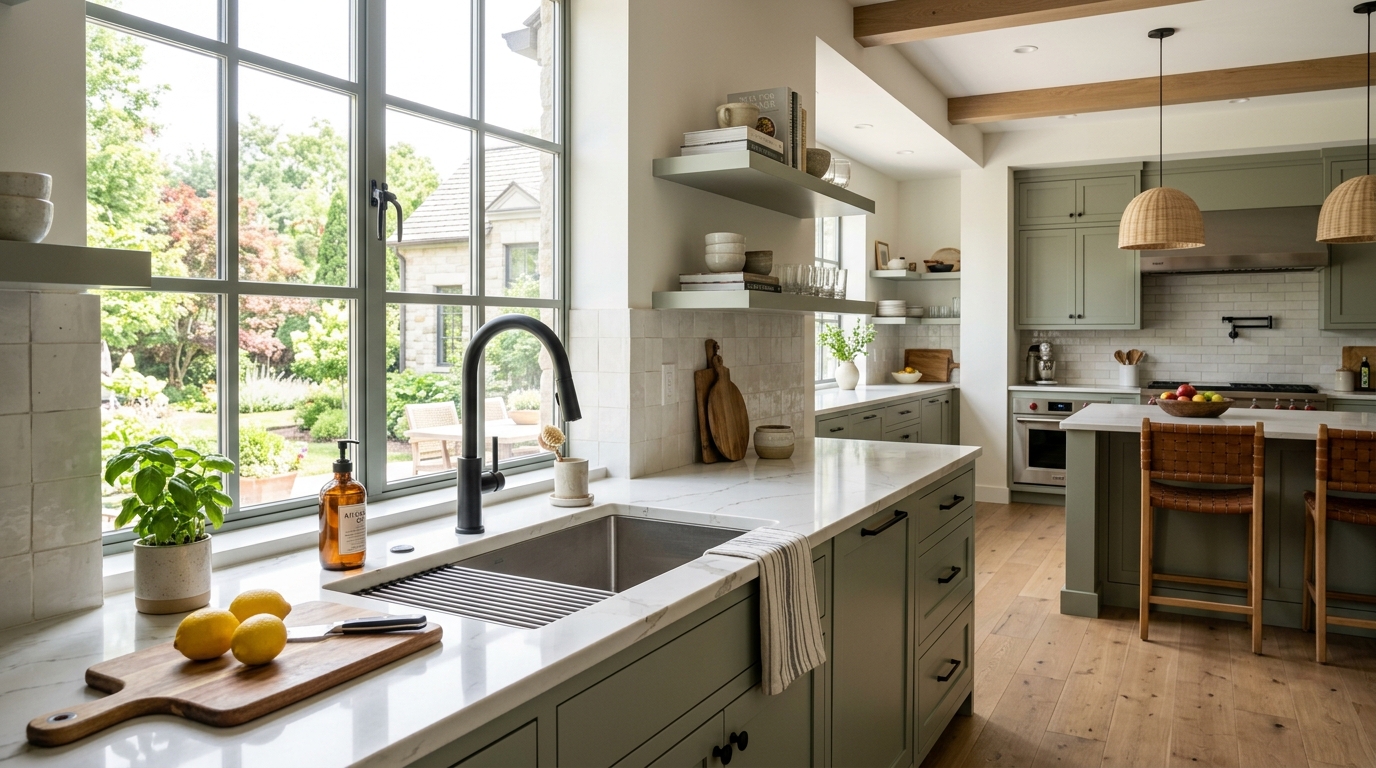
- Use contrast on purpose. A matte black faucet against pale cabinetry creates a focal point rather than disappearing into the background.
- Coordinate with your other hardware. Cabinet pulls, hinges, and the faucet don’t need to be identical, but wildly mismatched metals can make a kitchen feel unplanned.
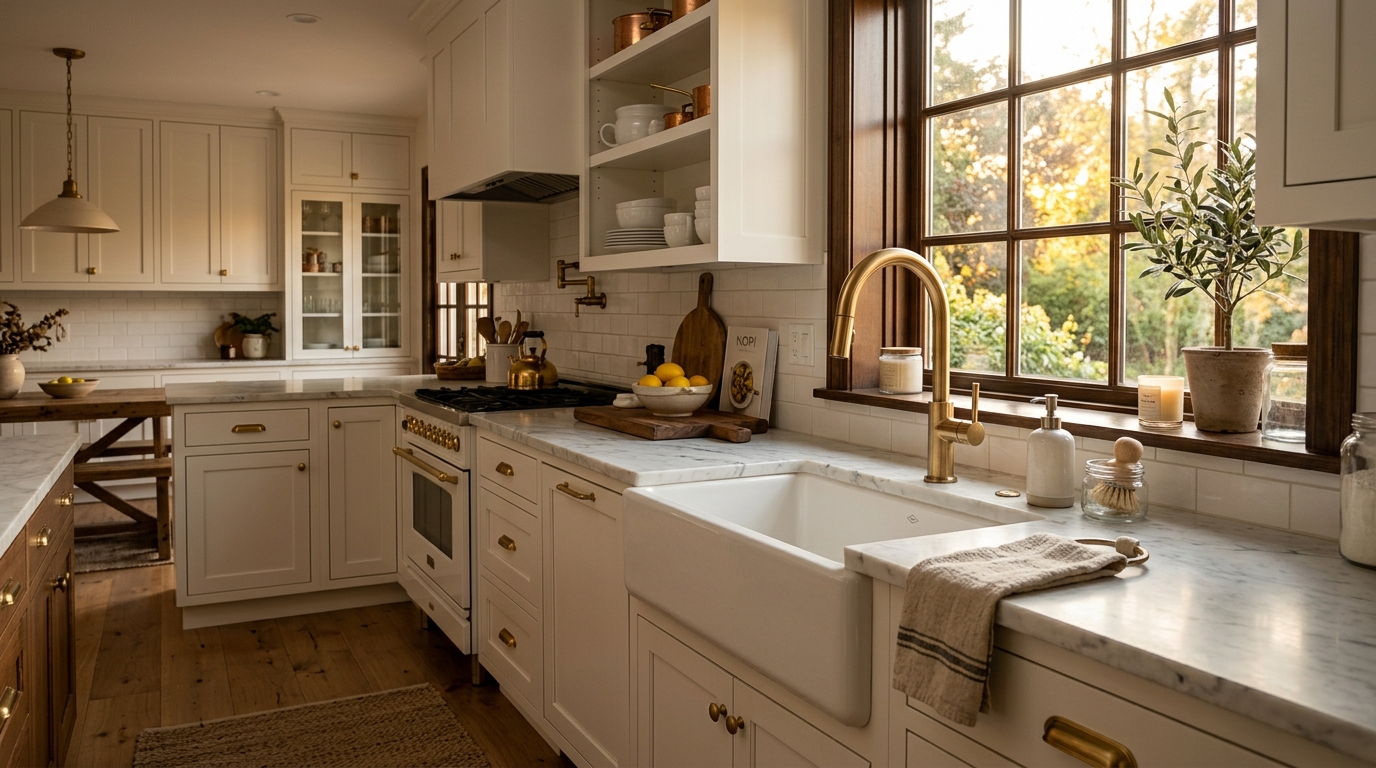
- Consider a statement finish. Warm brass and gold tones have become popular again, especially paired with white or pale cabinetry, for a look that feels updated rather than dated.
Why Water Efficiency Is Worth Checking
Look at the gallons-per-minute (GPM) rating before you buy. A faucet with a WaterSense-certified aerator can cut water use noticeably without a noticeable drop in pressure, which adds up on your water bill over a year of daily use. Some pull-down models even offer a spray/stream toggle that lets you switch to a more targeted flow for rinsing rather than filling.
Why the Brand Behind the Faucet Matters
A faucet with a long warranty and a track record of parts availability will save you money over its lifespan, even if the upfront price is a bit higher. Read recent buyer reviews rather than just the brand’s own marketing, and check whether replacement cartridges and spray heads are easy to source years down the line — that’s often the real test of a “reliable” brand.
Installation: DIY or Call a Plumber?
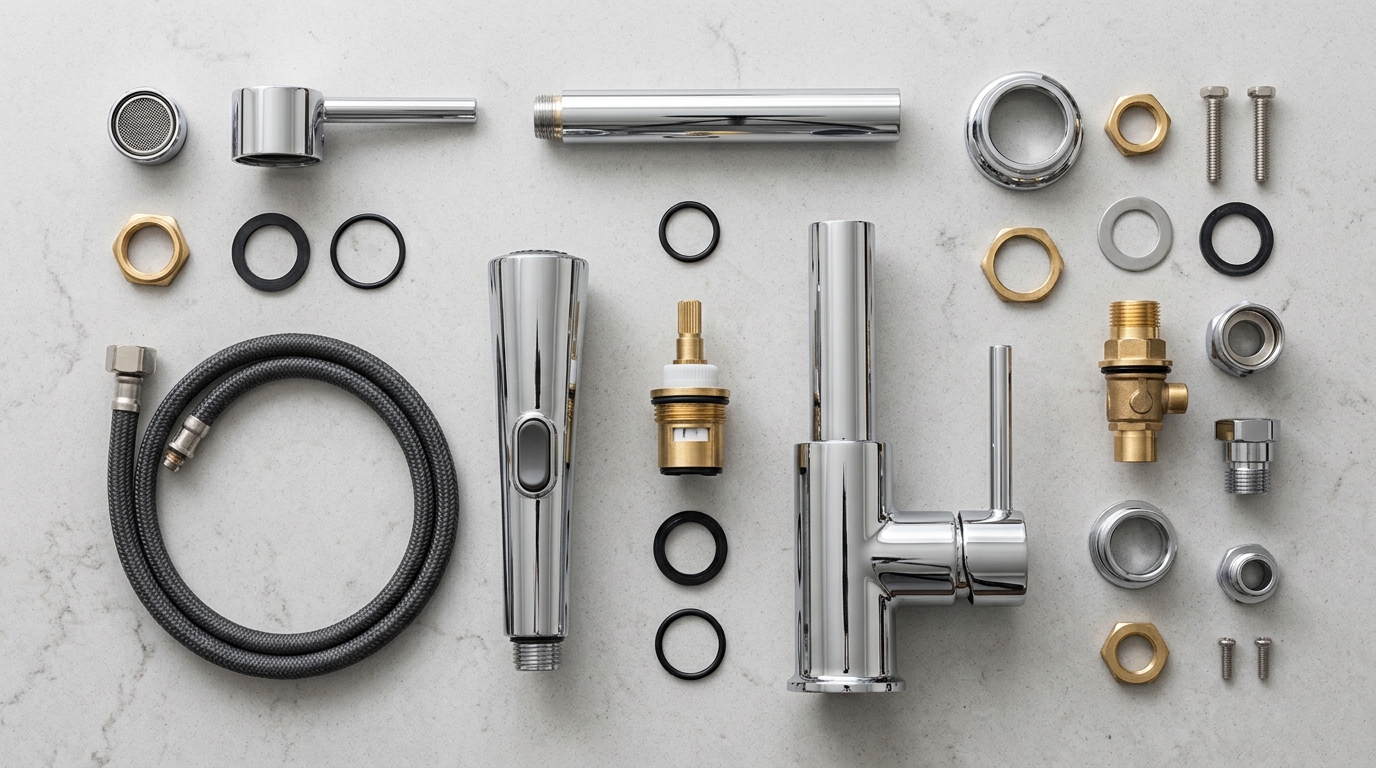
Swapping a faucet with the same number of mounting holes as your old one is a manageable weekend project for most people comfortable with basic tools. But if you’re changing hole configurations, switching to a different mounting style, or dealing with older, corroded supply lines, professional installation avoids leaks and wasted time. Either way, confirm your new faucet’s mounting pattern matches your sink before you buy.
Extra Features Worth Considering
Beyond the basics, some newer faucets include a pause button on the spray head, a built-in water filter, an LED indicator that changes color with water temperature, or voice/app control. None of these are essential, but if you cook often, a hands-free option or temperature indicator can genuinely change how the sink feels to use.
Keeping Your Faucet in Good Shape
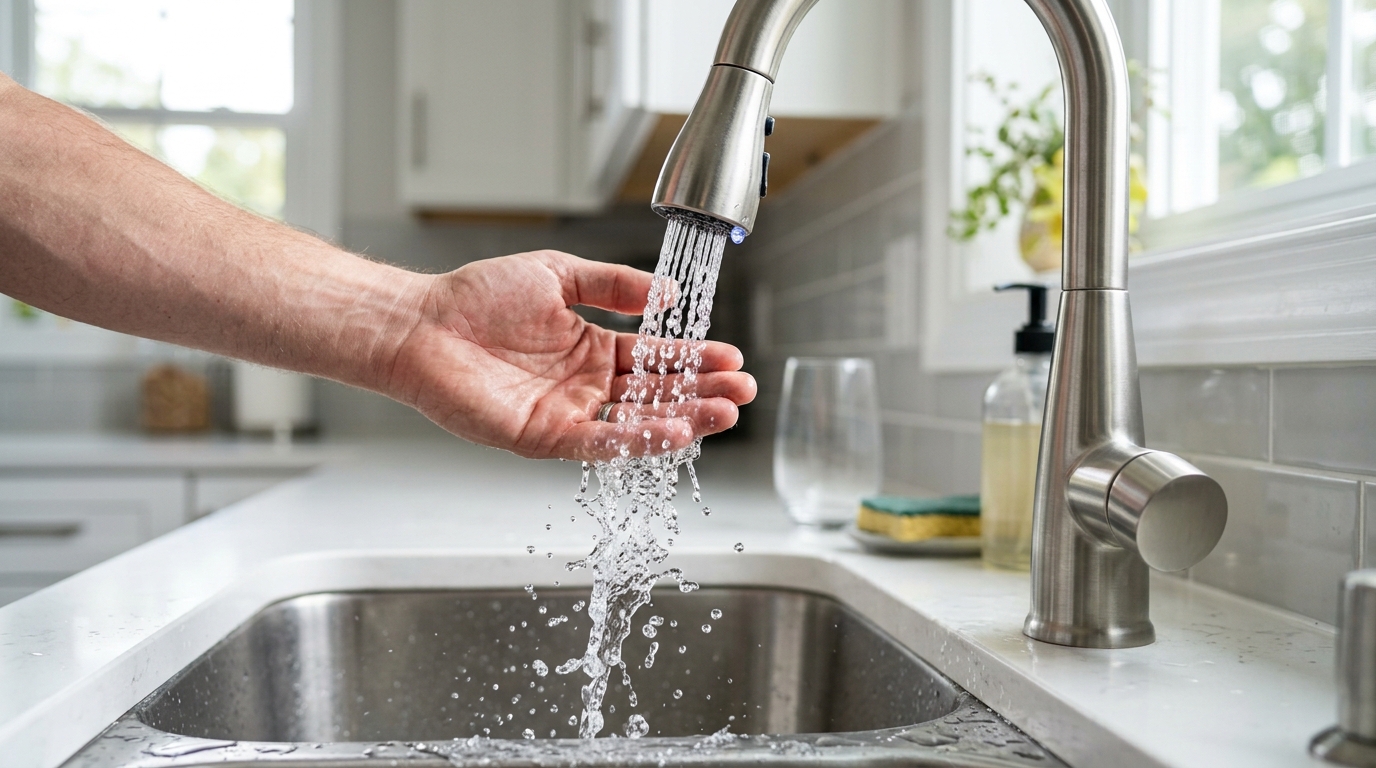
Wipe down the finish after use to prevent hard-water spots, especially with matte or brushed finishes that show buildup more visibly than polished chrome. Soak the aerator in a vinegar solution every few months to clear mineral deposits and restore water pressure. Avoid abrasive cleaners, which can dull a finish faster than daily use ever would.
Setting a Realistic Budget
A higher price tag doesn’t automatically mean better performance — but it often correlates with sturdier internal cartridges and better warranty coverage. Decide your ceiling before you start browsing, then prioritize the features that matter most to you (finish durability, spray function, or brand support) rather than chasing every add-on.
Comparing Your Shortlist
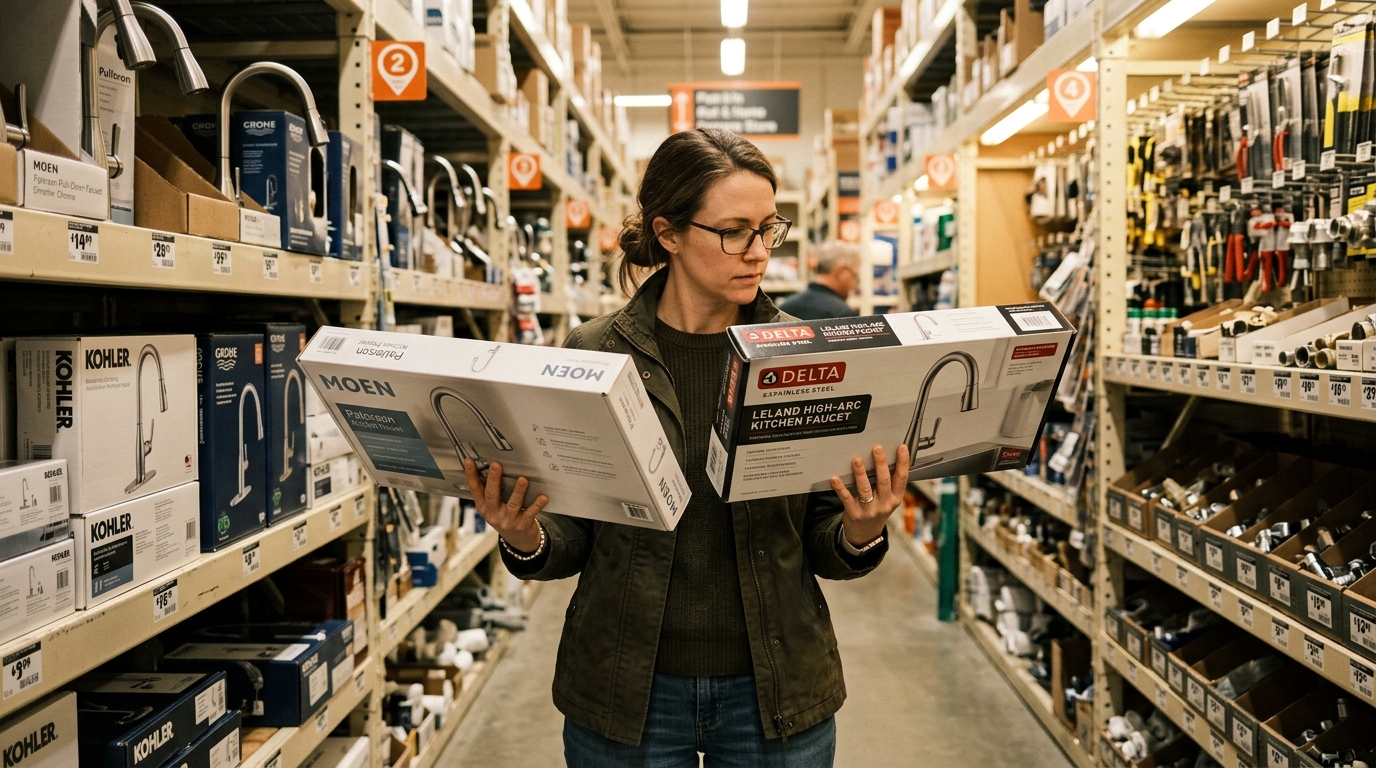
Once you’ve narrowed things down to two or three faucets, compare them directly on the same criteria: GPM rating, warranty length, cartridge type, and verified buyer reviews. A quick side-by-side often reveals that the pricier option isn’t actually the better fit for your specific sink and habits.
Prioritizing Everyday Usability
However good a faucet looks in photos, it has to work well with wet or soapy hands, several times a day, for years. Test the handle’s resistance in-store if you can, and favor designs with an intuitive single motion for on/off and temperature rather than anything fussy.
Making the Final Call
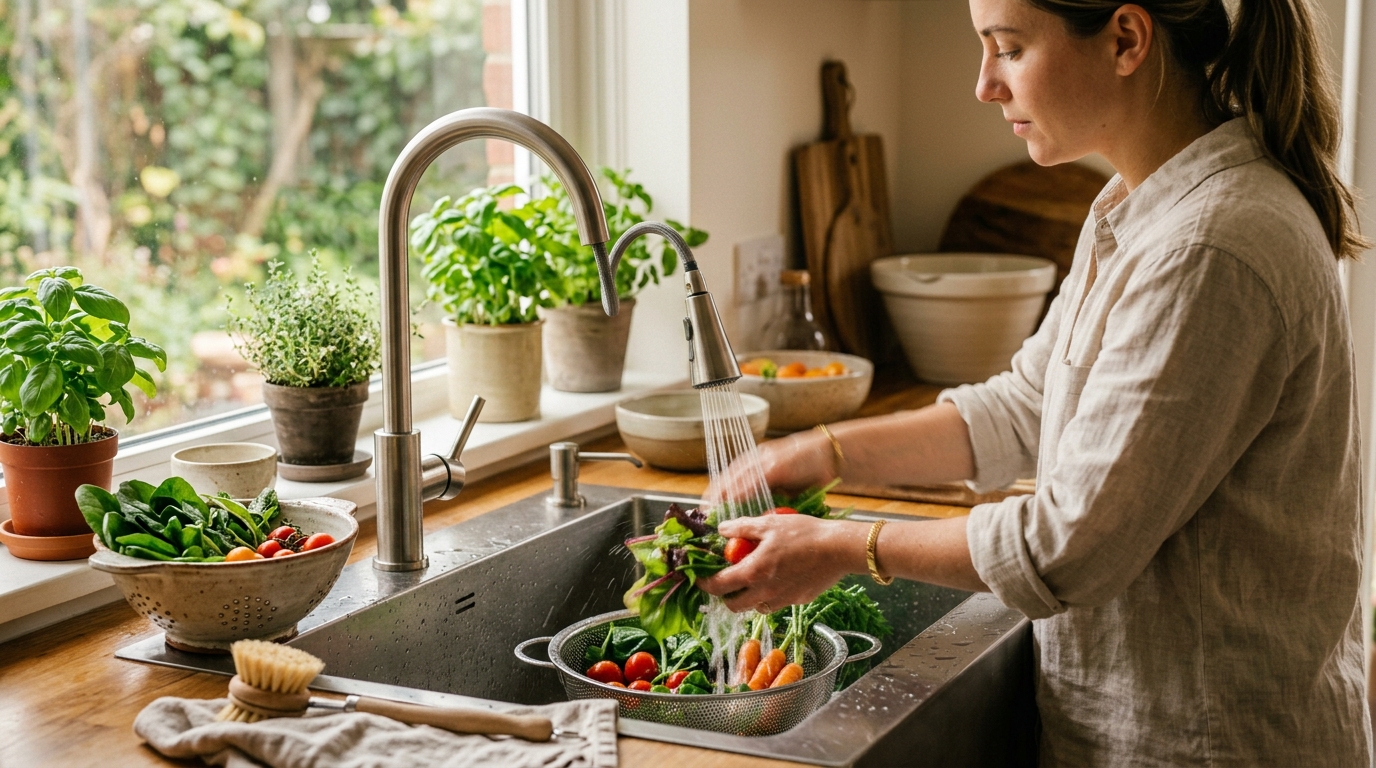
Bring it back to the basics: does it fit your sink’s mounting holes, match your kitchen’s finish palette, meet your water-efficiency expectations, and come from a brand you trust? If it checks those four boxes, you’re choosing between good options rather than guessing.
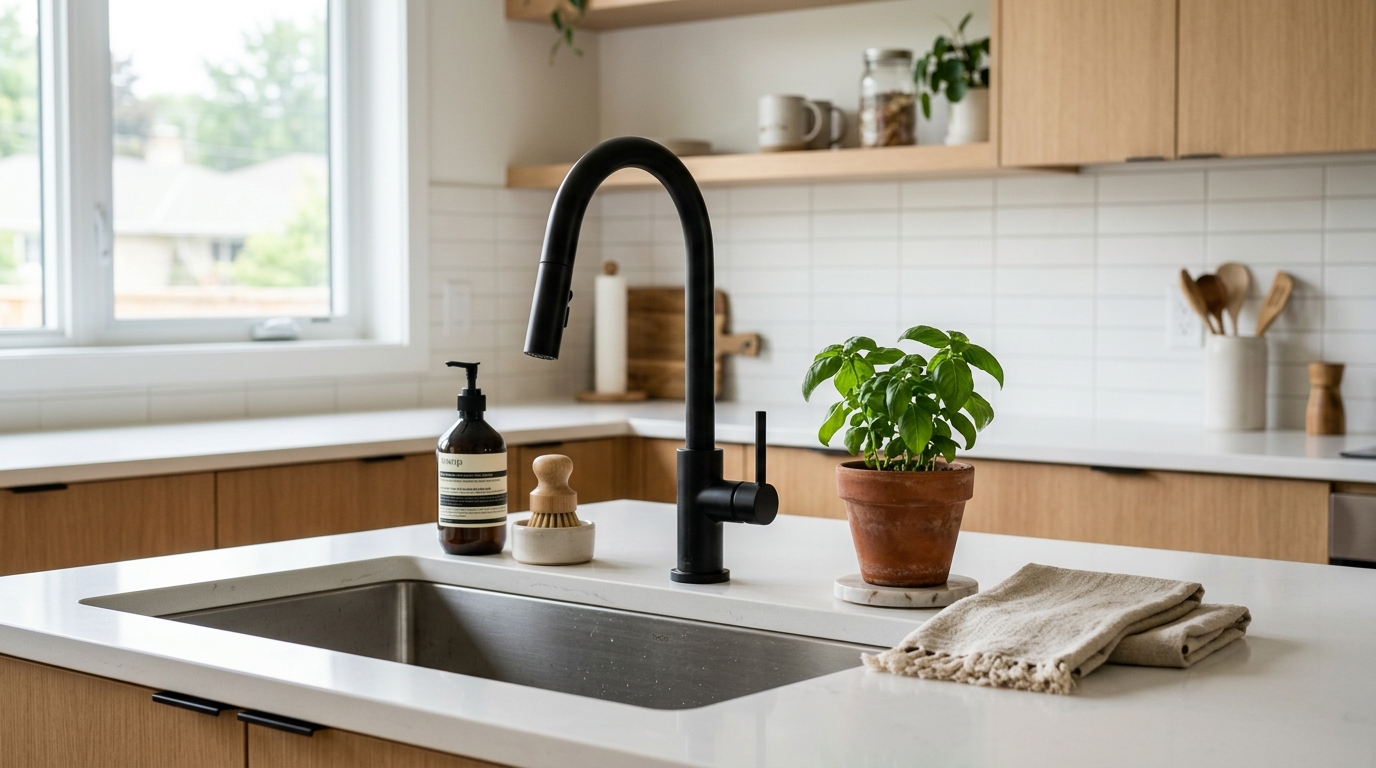
A kitchen faucet is small, but it’s one of the most-touched fixtures in the house. Taking the time to match it to your sink, your cabinets, and your daily habits pays off every single time you turn on the tap.
Frequently Asked Questions
Can I install a kitchen faucet myself? Yes, if the mounting configuration matches your old faucet. If it doesn’t, or your supply lines are old, hire a plumber to avoid leaks.
How long should a good kitchen faucet last? A well-made faucet with a solid brass or stainless-steel body can last well over a decade with basic maintenance.
Are touchless faucets worth it? For households that cook often or have messy hands during prep, yes — the hygiene and convenience add up over time.
How do I improve water efficiency without losing pressure? Look for a WaterSense-certified aerator and a faucet with an adjustable spray/stream setting.
Does every faucet material need the same care? No. Polished chrome hides spots well and cleans easily, while matte and brushed finishes need gentler, more frequent wiping.
What determines whether a faucet fits my sink? The number and spacing of your sink’s mounting holes. Measure them before shopping.
What’s the single most important factor when choosing a faucet? Compatibility with your sink’s mounting holes — everything else (style, finish, features) is a secondary decision once that’s confirmed.
Do higher-priced faucets always perform better? Not always. Price often reflects cartridge quality and warranty length more than day-to-day performance, so compare specs rather than price alone.