A farmhouse sink is one of the few upgrades that changes how a kitchen looks and works at the same time. The deep basin handles big pots with ease, and the exposed front panel gives the room instant character. Here is how to choose, install, and style one, step by step.
Pick the Sink That Suits Your Space
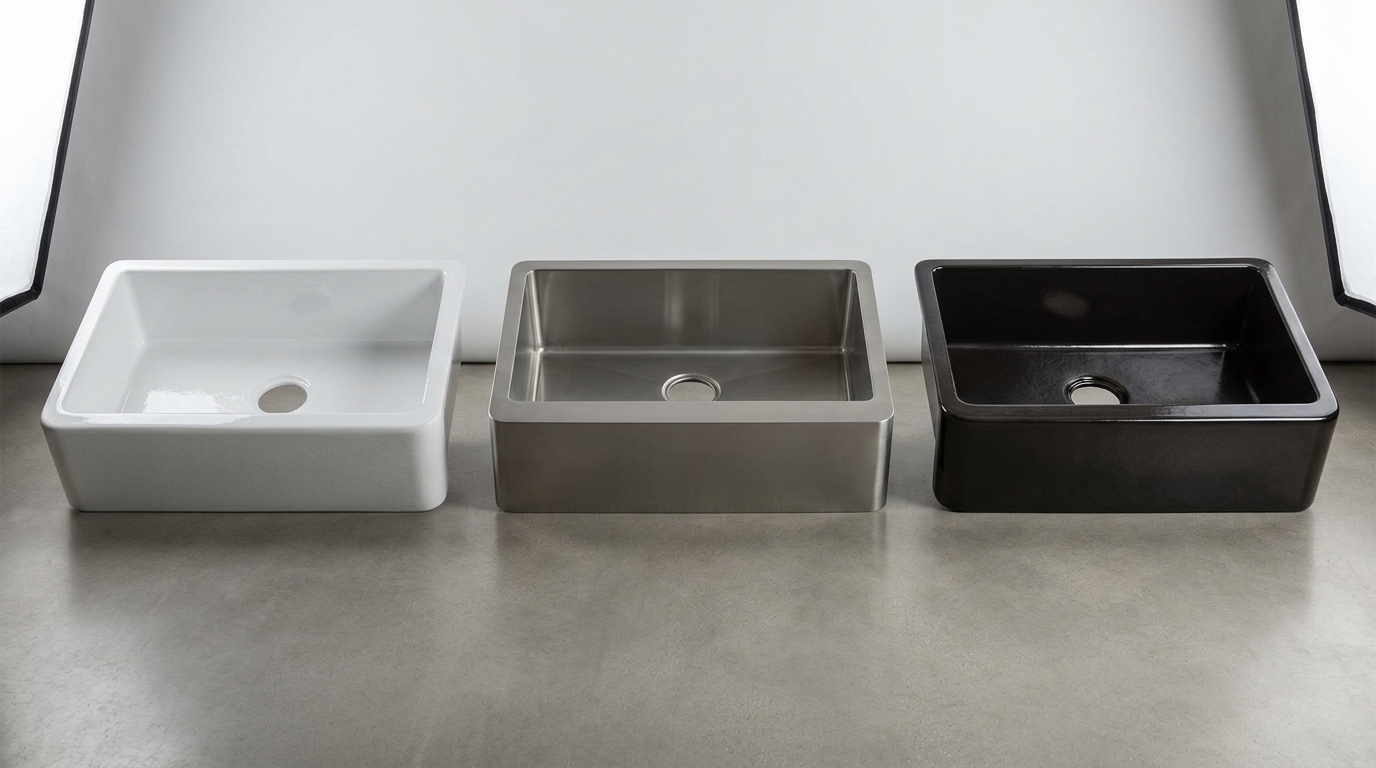
Start with the sink itself. Farmhouse models are made in fireclay, cast iron, stainless steel, and even copper, and each material has its own weight, price, and upkeep. Measure your base cabinet width and countertop depth before you shop, since the sink has to fit the cabinet beneath it. A true apron-front design shows off its curved face for a rustic, traditional feel, while a sleeker profile suits modern kitchens. Take your time here, because this single choice sets the tone for the whole room.
Get the Cabinet and Countertop Ready
A farmhouse sink cannot simply drop into a standard cabinet. The front of the cabinet usually needs to be trimmed so the apron can sit exposed, and the base must be strong enough to carry the load. Fireclay and cast iron units often weigh well over a hundred pounds before they hold any water, so add supports or a reinforced platform. Mark the cutout from the manufacturer’s template and double-check every measurement. If you have granite or quartz, hire a pro to cut the opening cleanly.
Take Out the Existing Sink
Shut off the water supply valves first, then disconnect the faucet lines and drain. Cut through any old caulk, loosen the mounting hardware, and lift the old basin free, ideally with a helper. Wipe down the cabinet and countertop edges and look for rot, cracks, or chips. This is also a handy moment to replace worn supply lines or an aging drain, since everything is already exposed.
Set and Secure the Farmhouse Sink
Lower the sink into position and slide it forward until the apron lines up flush with the cabinet face, leaving an even reveal along the countertop. Fasten it with the brackets, ledgers, or clips that come with your model, following the maker’s directions. Use a level across both directions before you tighten anything. A sink that tilts will drain poorly and look off, so adjust until it is perfectly true.

Hook Up the Drain and Water Lines
With the basin secure, install the strainer and drain assembly, then attach the faucet, supply lines, and any garbage disposal. Hand-tighten, then snug each fitting with a wrench without over-torquing. Turn the water back on and let it run for several minutes, feeling beneath for drips. Catching a slow leak now protects your cabinetry from water damage and saves you from a costly repair later.

Seal and Finish Around the Edges
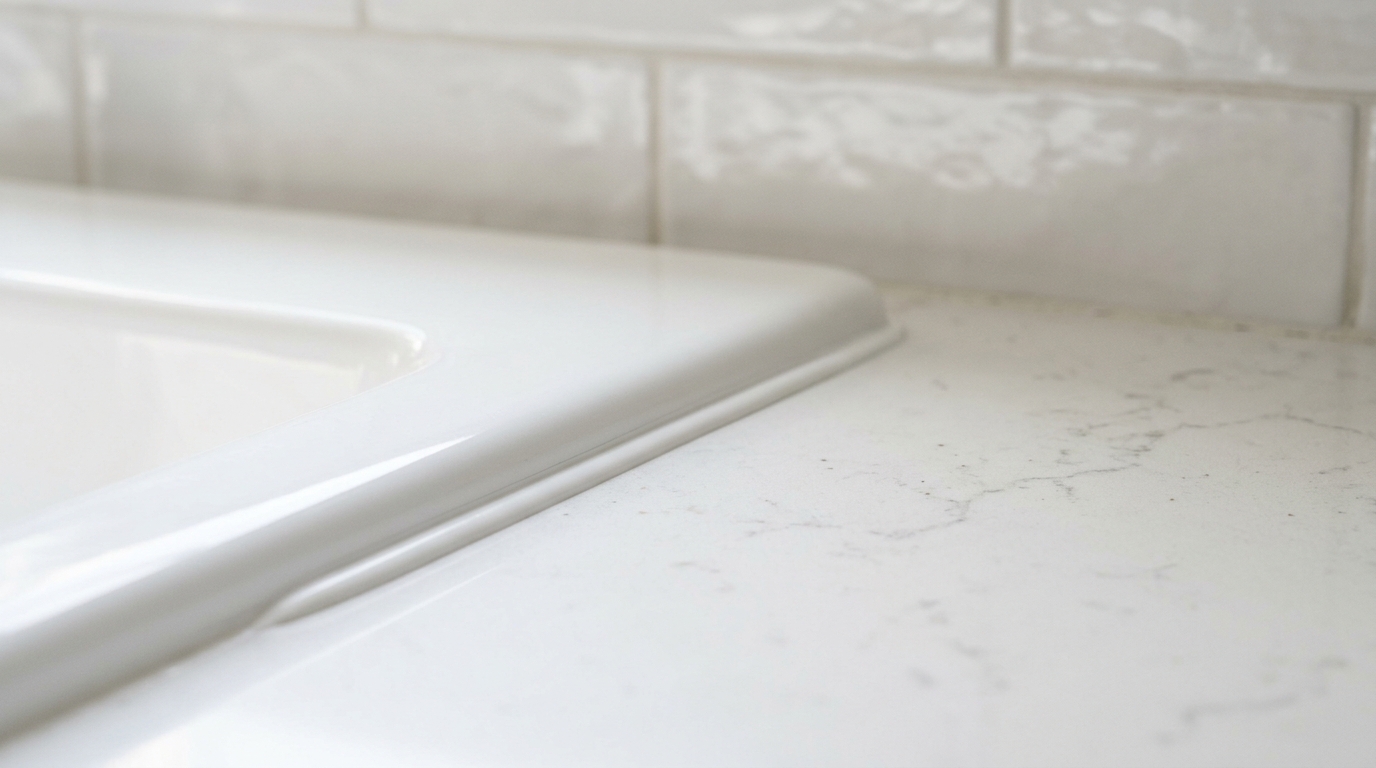
Run a clean bead of kitchen-grade silicone caulk where the sink meets the countertop to block moisture. Then bring in the finishing materials. Subway tile, natural stone, or a warm wood edge on the counter all echo the farmhouse look. These small touches frame the sink and make the whole installation feel deliberate and polished.

Match a Faucet to Your Sink
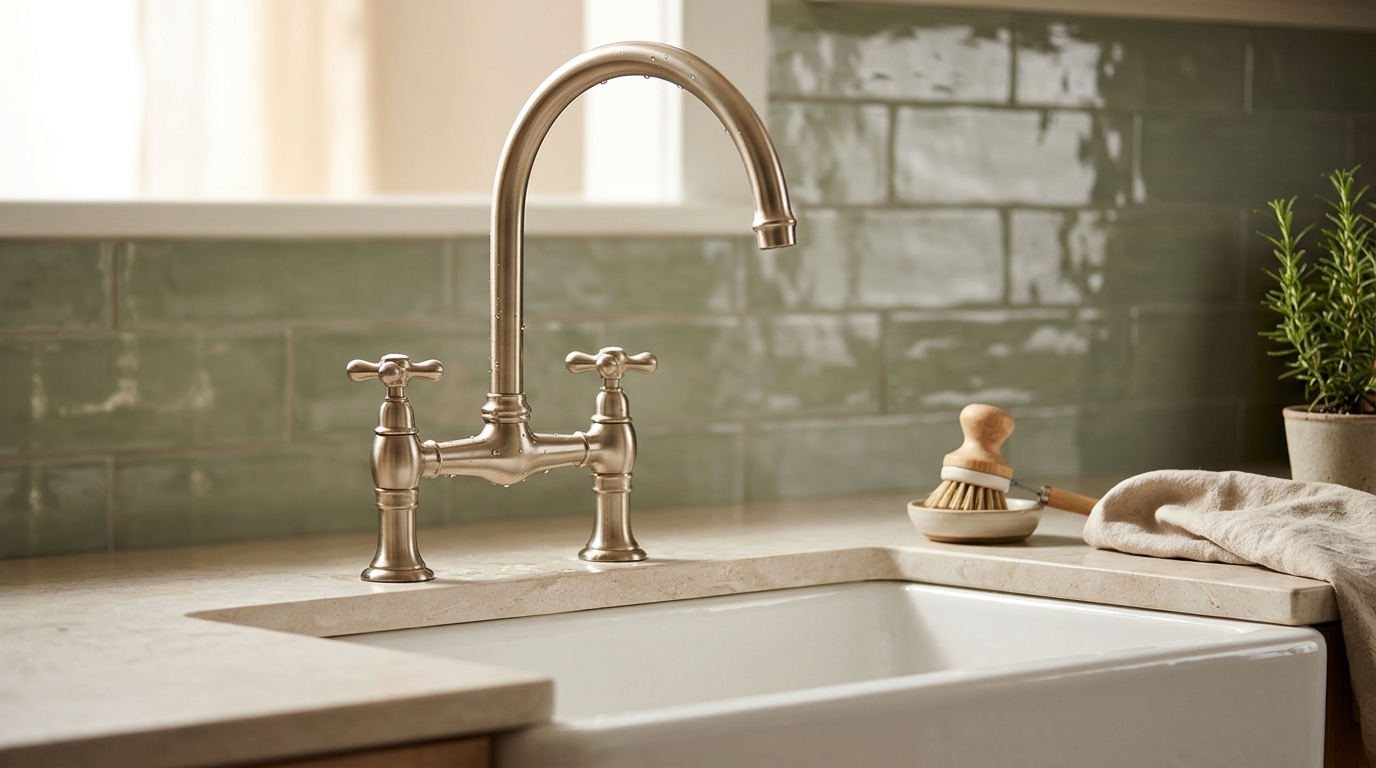
The faucet is the sink’s partner, so choose it with care. Bridge faucets add vintage flavor, pull-down models make cleanup easier, and cross-handle taps lean traditional. Pick a finish that works with your basin and hardware, whether that is polished chrome, brushed nickel, matte black, or oil-rubbed bronze. The right pairing improves daily use and finishes the look.

Style the Area Around the Basin
Give the sink some personality with a few well-chosen pieces. A small pot of basil or rosemary, a stoneware soap dispenser, and a wooden dish rack bring texture and life. Add a linen towel on the apron edge or a ceramic crock of utensils nearby. Keep it light, so the sink stays the star while the space feels lived in and welcoming.
Keep Your Sink Looking Its Best
Routine care goes a long way. Rinse and wipe the basin after use, and stick with gentle, non-abrasive cleaners on fireclay and porcelain to avoid dulling the glaze. Stainless steel looks sharpest with a quick buff along the grain to prevent water marks. Steer clear of bleach soaks and steel wool. A few minutes of upkeep keeps the finish bright for many years.
Build the Sink Into a Kitchen Island
If your layout allows it, placing a farmhouse sink in an island turns it into a social hub. You can rinse vegetables, chat with guests, and serve from one spot without turning your back on the room. Add stools on the opposite side so family or friends can sit and talk while you cook. The sink becomes a showpiece that is also very practical.

Layer Wood, Stone, and Metal
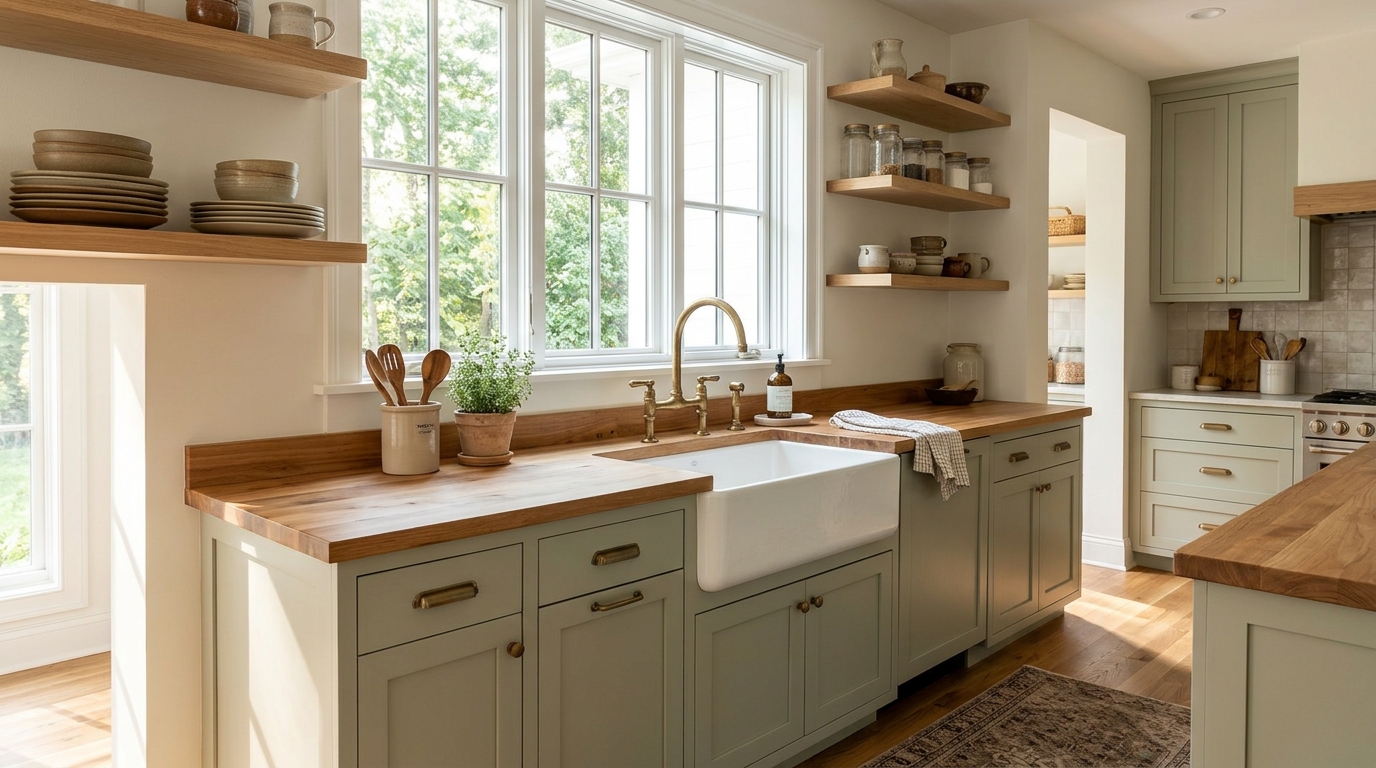
Contrast is what makes a farmhouse sink pop. Pair a crisp white basin with butcher block or marble, then repeat metal tones through the faucet, cabinet pulls, and pendant lights. Mixing natural and industrial materials adds depth and warmth without feeling busy, and it lets the sink read as a deliberate design feature rather than just a fixture.

Add a Coffee or Prep Corner
The area around your sink is ideal for a small working station. Set up a kettle, a coffee maker, and a cutting board within arm’s reach, and mount a narrow shelf above for mugs, spices, or herbs. You can wash, prep, and serve in a tight, efficient triangle, and the cluster looks charming too.
Final Thoughts
Installing a farmhouse sink asks for careful planning, but the payoff is large. Choose a style that fits your cabinet, reinforce the base, connect the plumbing with patience, and seal the edges neatly. Then add the faucet, accessories, and mixed materials that suit your taste. Looked after properly, the sink will serve as a durable, good-looking centerpiece for years to come.